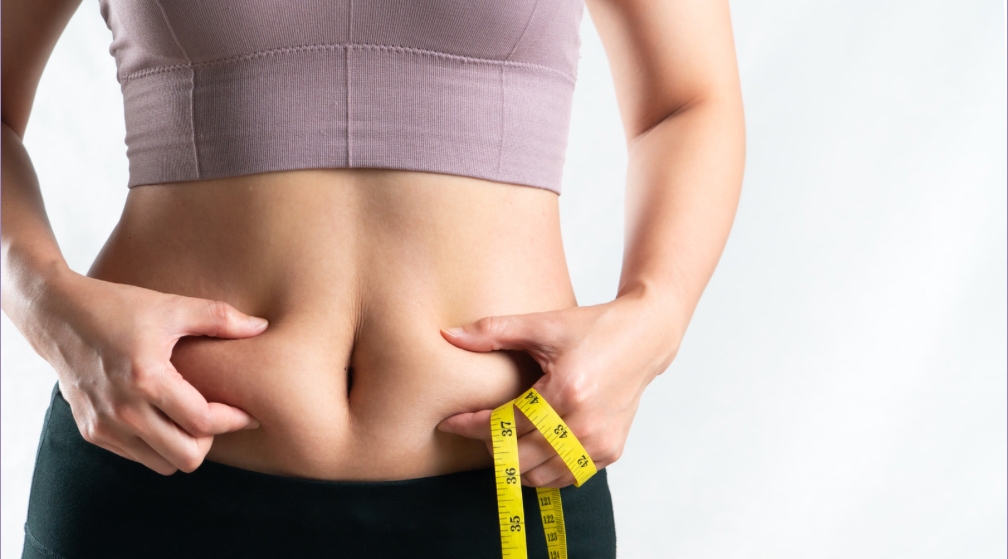
Menopause weight gain is common — but it’s not inevitable, and it’s not irreversible.
During perimenopause, hormonal changes (especially declining oestrogen) and loss of muscle mass can slow metabolism and shift how your body stores fat. In fact, up to 50% of women may gain around 5–10kg during this time.
But here’s the key: your body has changed, so your approach needs to change too.
✨ What worked in your 30s won’t necessarily work now
✨ Quick fixes, fad diets, and extremes won’t serve you long-term
✨ This is about building a lifestyle you can maintain for life
Instead of chasing short-term results, focus on sustainable habits:
🥗 Eat regularly and balance your meals
🍎 Plan snacks so you’re not starving and overeating
🍷 Be mindful of alcohol — it adds calories without nutrition
🥦 Prioritise whole foods, fibre, fruits, veg, and protein
🏃♀️ Move your body daily (walking counts!)
🏋️ Add strength training to support muscle and metabolism
🧘 Include restorative movement like yoga or stretching
Start simple:
Keep a food diary, identify small changes, and build from there.
One or two realistic changes at a time is enough.
There’s no “perfect menopause diet” — only the one that works for YOU.
And remember:
💛 It’s not about perfection
💛 It’s about consistency
💛 It’s about feeling strong, healthy, and in control for the long term.
You’ve got this — and you only need to do it once, then sustain it.